Once Tokyo’s Kitchen, Now a Premier Urban Canvas

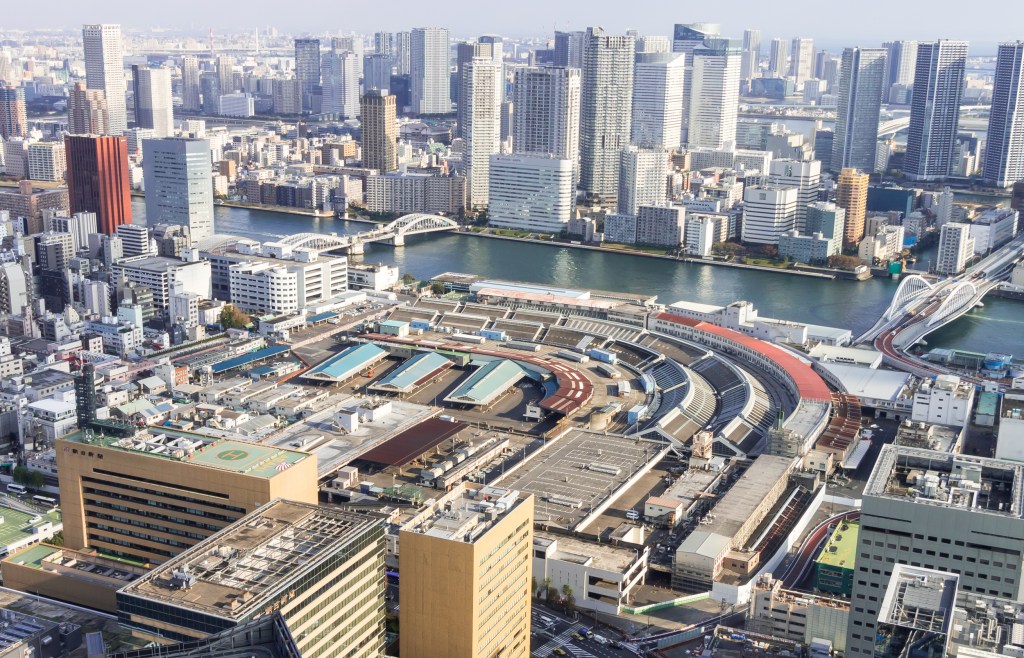
In the heart of Tokyo, where the hum of the metropolis meets the quiet whispers of history, stood Tsukiji Market—a place that once served as the pulsating center of the city’s vast culinary universe.
Established in 1935, this iconic market carved a niche for itself as one of the world’s premier seafood bazaars, only to bid farewell in 2018 as the city ushered its operations towards the modern confines of the Toyosu New Market.

The genesis of Tsukiji stretches back to the Edo period, its modern iteration born from the ashes of the Great Kanto Earthquake, symbolizing Japan’s resilience and dedication to preserving its culinary heritage.
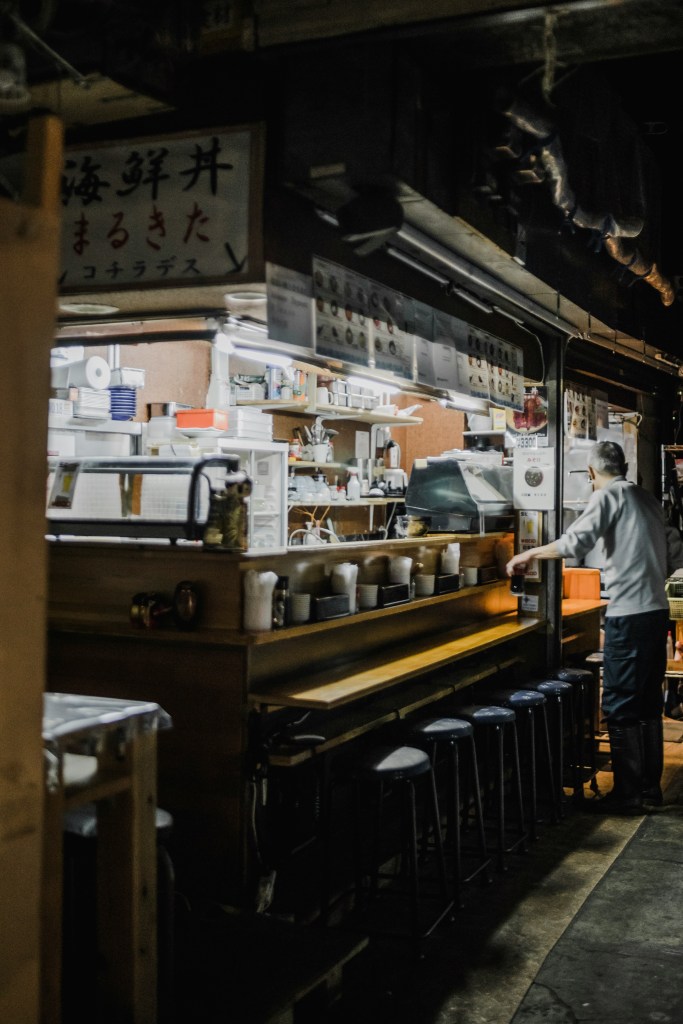
For decades, it wasn’t just a market but a living, breathing emblem of Tokyo’s food culture, drawing in not just chefs and food aficionados but also tourists from around the globe, eager to witness the vibrant spectacle of its seafood auctions.
Governed by the pragmatic vision of Yuriko Koike, the relocation to Toyosu was not merely a logistical move but a response to the pressing needs of the times: updating aging facilities, elevating food safety standards, and fortifying against future earthquakes. Yet, amidst debates and concerns, the transition was completed in October 2018, marking the end of an era and the beginning of another, ahead of the Tokyo Olympics.
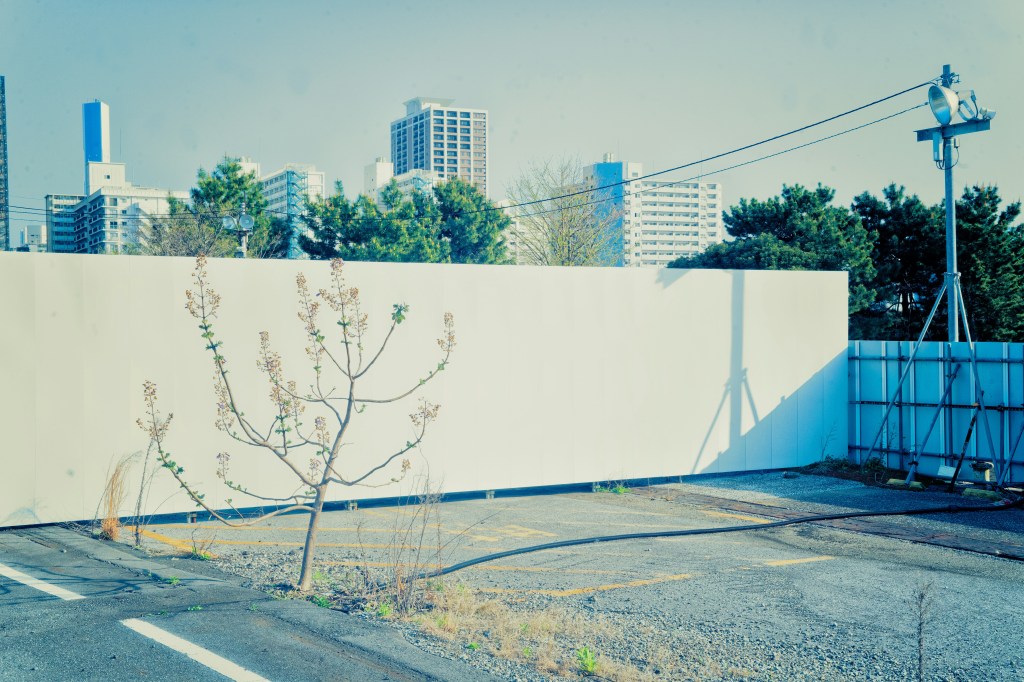
The narrative of Tsukiji, however, is far from over. Its legacy continues to be a topic of fascination and speculation, particularly concerning the future of its now-vacant site. The Tokyo Metropolitan Government has hinted at ambitious plans—commercial developments, green spaces, cultural centers—each proposal hinting at the potential to transform this historic location into a nexus of new interactions and experiences.
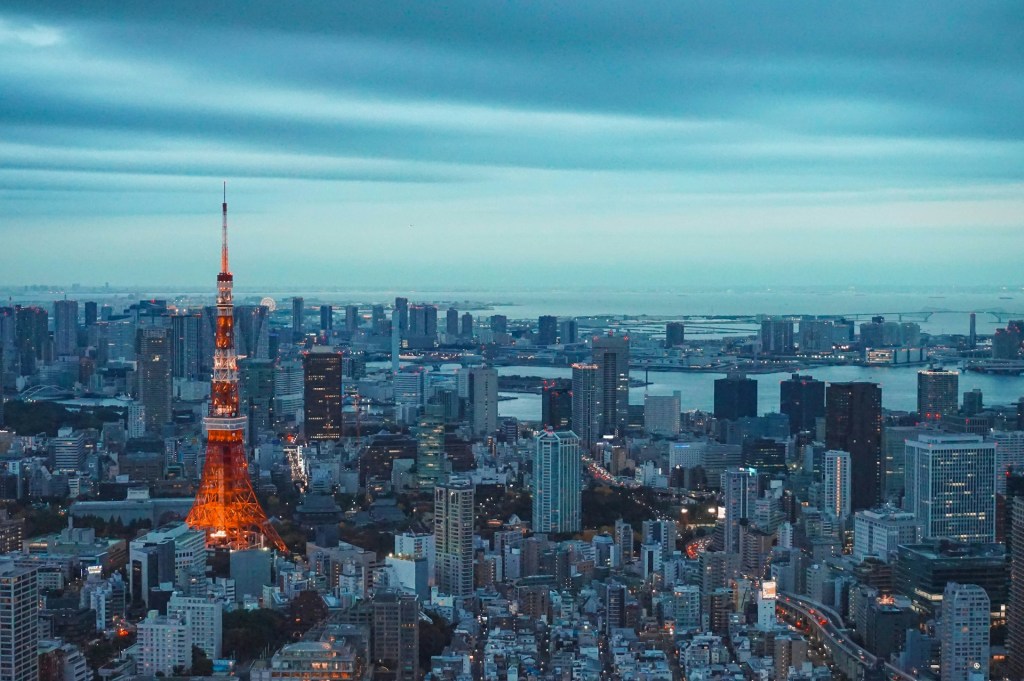
A notable development is the proposed subway line that would connect Tokyo Station with the Tsukiji site, extending towards the waterfront areas.
News:
▶ https://www3.nhk.or.jp/nhkworld/en/news/20240202_26
This project is not just a testament to Tokyo’s unending march towards modernization but also a nod to the site’s enduring significance in the city’s urban tapestry.
As we contemplate Tsukiji’s transformation from a bustling seafood market to a potential landmark of urban innovation, we are reminded of the fluid nature of cities and the continuous evolution of cultural landscapes.
The story of Tsukiji is a microcosm of Tokyo itself—a city that honors its past while boldly striding into the future, its heart ever rooted in the rich tapestry of its culinary heritage, now poised to embrace new chapters of growth and creativity.
This reflection on Tsukiji’s past and its prospective future offers a window into the soul of Tokyo, revealing a city that thrives on reinvention without losing sight of its traditions—a narrative that resonates with the essence of the metropolis itself.
Address:
Link:
https://www.tsukiji.or.jp/english
This article complies with Creative Commons.
 tokyopedia
Leave a comment