Between the Divine and the Earthly: The Legacy of Itsukushima Shrine


Nestled within the serene embrace of Hiroshima’s Miyajima Island, Itsukushima Shrine emerges as a poignant symbol of the harmonious blend of natural splendor and human ingenuity that Japan is celebrated for.
With its iconic torii gate that seems to float between the realms of the spiritual and the material, the shrine presents a captivating tableau that invites onlookers into a world where the boundaries of the divine and the earthly blur into one.

Tracing its origins back to the 6th century, Itsukushima Shrine was catapulted into architectural prominence in 1168 under the auspices of Taira no Kiyomori.
Kiyomori, a figure of profound historical significance, was more than a military strategist; he was a visionary who recognized the profound influence of maritime trade. His dedication to the shrine transcended mere religious fervor, embodying a strategic intertwining of divine grace with the temporal authority of the Heian period’s most formidable power, the Taira clan.
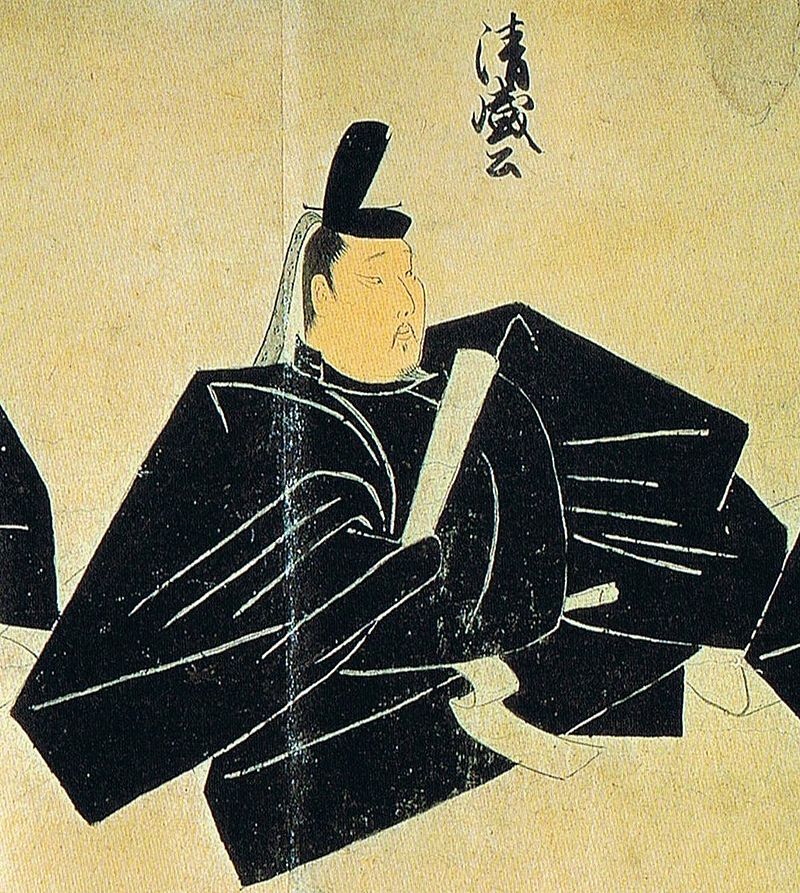
The shrine’s reconstruction under his stewardship was both a declaration of piety and a bold assertion of power, encapsulating the Taira clan’s prosperity and their supplication for divine favor.
The shrine’s architectural grandeur and strategic siting made it a beacon of spiritual guidance for the Taira, symbolizing their cultural ascendancy and sophistication.
However, the saga of Itsukushima Shrine is deeply entwined with the vicissitudes of the Taira dynasty’s fortunes, mirroring the transient nature of power and the perpetual quest for divine benevolence amongst Japan’s warrior elite.
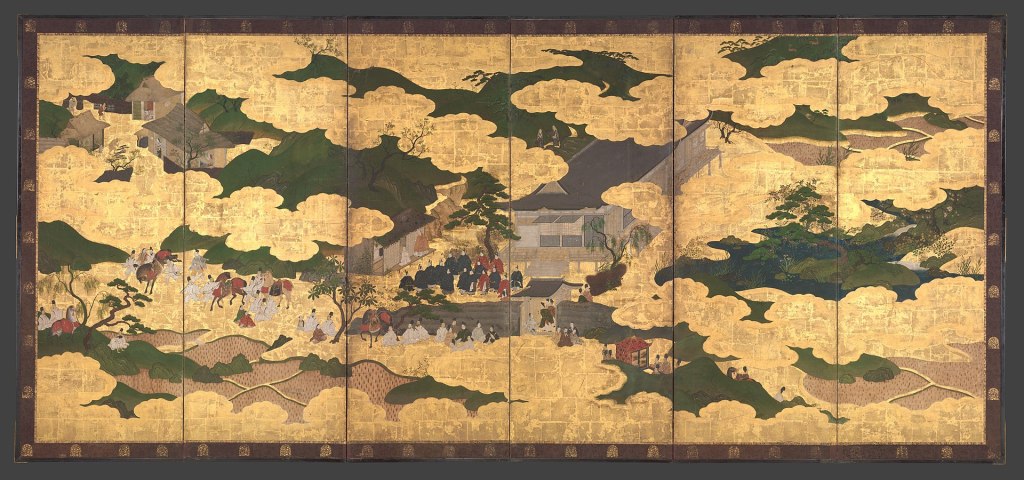
The shrine’s chronicles serve as a poignant testament to the ephemeral reign of the Taira, with their cultural imprint eternally preserved in the epic “Tale of the Heike,” where Itsukushima is not merely a sanctuary but a backdrop for the dramatic denouement of the clan’s saga.
Today, Itsukushima Shrine extends an invitation to visitors not just to witness Japan’s architectural and aesthetic marvels but to delve deeper into the complex interplay of power, faith, and artistry that defines Japanese culture.
Suspended between the celestial and the terrestrial, the shrine stands as a testament to the fleeting, yet enduring, essence of beauty and dominion.

As visitors meander through the hallowed halls of the shrine and behold the torii gate that majestically punctuates the Seto Inland Sea, it becomes evident that Itsukushima transcends its physical construct of wood and stone.
It embodies a living heritage of Japan’s rich historical and spiritual tapestry, beckoning travelers to ponder the enduring legacy of a site where the divine and the earthly converge in a timeless embrace.
Address:
Link:
This article complies with Creative Commons.
 tokyopedia
Leave a comment